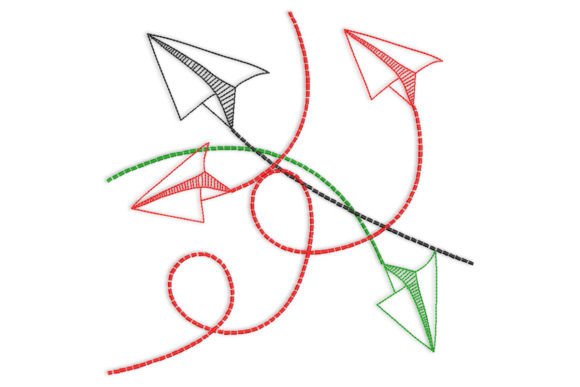
Paper Plane Embroidery Design Review
Stepping into a craft fair booth, the first thing that grabs a customer's attention isn't always the price tag; it is the visual story on display. As an experienced embroidery designer who has spent countless hours refining designs for handmade markets, I recently evaluated a new digital asset titled Paper Plane. This machine embroidery design promises to add a touch of whimsy and charm to your fabrics. But does it truly deliver the kind of product appeal needed to stand out in a crowded marketplace? After simulating its application on various items for a weekend booth setup, here is my professional assessment of how this embroidery file performs as a craft fair product.
The First Impression: Whimsy Meets Marketability
When you look at the title Paper Plane, your mind immediately goes to childhood nostalgia, travel, and simplicity. In the context of home decor and gifts, this translates perfectly to a style that is modern, soft, and universally appealing. Unlike complex floral arrangements or heavy farmhouse scripts, a paper plane design feels light and airy. It suggests a sense of playfulness that resonates deeply with parents, teachers, and anyone looking for a unique gift.
This aesthetic makes it an ideal candidate for handmade product lines targeting families or those seeking a minimalist yet charming vibe. The description mentions adding a "touch of whimsy," which is exactly what separates a generic store-bought item from a boutique favorite. When customers see a tote bag design featuring a simple, clean paper plane, they visualize a day trip or a creative adventure. That emotional connection is the secret sauce of successful Etsy seller listings.
Product Versatility: Where Paper Plane Shines
In a real-world scenario, preparing a table display requires knowing where each design fits best. Paper Plane is remarkably versatile across different categories of commercial embroidery products. Here is how I would deploy it to maximize sales:
- Tote Bags and Market Bags: A single, centered paper plane on a canvas tote is a classic move. However, placing it off-center near the handle creates a subtle, sophisticated accent that looks great in photos. It works as a small accent or a larger focal point depending on the stitch count.
- Kitchen Towels and Aprons: For the tea towel embroidery niche, this design adds a playful twist to a utilitarian item. Imagine a white flour sack towel with a blue thread paper plane flying toward the corner. It elevates the perceived value of the kitchen linen significantly.
- Embroidered Patches: Because the design is likely contained within a specific shape, it can be easily converted into a sew-on patch. These are high-margin items for small shop products because they can be sold individually or attached to caps and denim jackets.
- Pillow Covers and Home Decor: On a throw pillow, the design becomes a statement piece. It pairs well with solid colors like sage green, navy, or cream, allowing the thread colors to pop without clashing with a busy pattern.
- Fabric Pouches and Small Gifts: For quick production runs, stamping this design onto small drawstring pouches or gift bags is a fantastic way to create affordable, high-volume inventory.
Whether you are creating a digital embroidery file for resale or stitching up your own inventory, the adaptability of Paper Plane ensures it will not sit stagnant on your rack.
Production Practicality and Visual Appeal
From a production standpoint, simplicity is king. Designs that are too dense or intricate often lead to long run times and higher failure rates. Paper Plane appears to be a clean design, which means faster hoop-to-hoop cycles. This efficiency is crucial when you are trying to produce batch quantities for a holiday market or a large convention.
Photography is another critical factor. A design with clear lines and good negative space photographs beautifully on a smartphone screen. If your printable mockup shows a crisp, well-defined paper plane, your online listing will convert much better than one with blurry details. Furthermore, the design feels repeatable. You can create a set by varying the thread colors—perhaps a pastel plane on a dark background for contrast, or a monochromatic scheme for a premium look. This consistency strengthens your brand identity.
Careful-Use Notes: Avoiding Common Pitfalls
While the design is promising, every embroidery file has limitations that must be respected to ensure quality. As a reviewer, I must highlight areas where caution is required:
- Dense Stitch Areas: Check the center of the design. If there are tight satin stitches, they may cause puckering on lightweight fabrics. Always test on scrap fabric first.
- Small Details: If the wings of the plane have tiny curves, ensure they are large enough to be visible after washing. Tiny details can get lost on thick fabric textures like terry cloth towels.
- Hoop Size Constraints: Confirm the recommended hoop size before starting. Attempting to fit a design meant for a 5x7 hoop into a smaller 4x4 area can result in cropped edges or misaligned stitching.
- Curved Surfaces: When applying this to caps, the curvature of the front panel might distort the perspective of the plane if the design isn't digitized specifically for curved stitching. Use a cap frame and adjust the stabilizer accordingly.
- Dark Fabric Challenges: On dark materials, ensure you use a high-quality underlay and potentially a tear-away stabilizer to prevent the design from sinking into the weave.
Designer's Checklist for Success
To turn Paper Plane into a best-selling item, follow these practical steps before hitting the "start" button on your machine:
- Test Run: Never skip the test. Stitch the design on the actual fabric you intend to sell to check for tension and stability.
- Thread Contrast: Select thread colors that provide strong contrast against your base fabric. A white plane on a white towel will disappear; choose a bright color or a metallic thread for impact.
- Stabilizer Selection: Match your stabilizer to the fabric weight. Heavy-duty stabilizers are needed for towels, while lighter ones work for pillow covers.
- Commercial Licensing: Before selling finished goods, confirm the commercial licensing terms included with your purchase. Ensure you have the right to sell physical products made with this design.
- Create Real Mockups: Don't rely solely on digital renders. Create at least one real sample to photograph for your Etsy listing or social media. Customers trust seeing the texture of the stitches.
In conclusion, Paper Plane is more than just a cute image; it is a strategic tool for the creative entrepreneur. Its blend of whimsy and simplicity makes it perfect for a wide range of home decor and apparel items. By paying attention to stitch density, fabric choice, and presentation, you can transform this design asset into a standout feature of your booth. Whether you are an Etsy seller looking to expand your catalog or a boutique maker crafting custom gifts, this design offers the flexibility and charm needed to engage buyers and drive sales.