St. Patrick s Day Hat Review
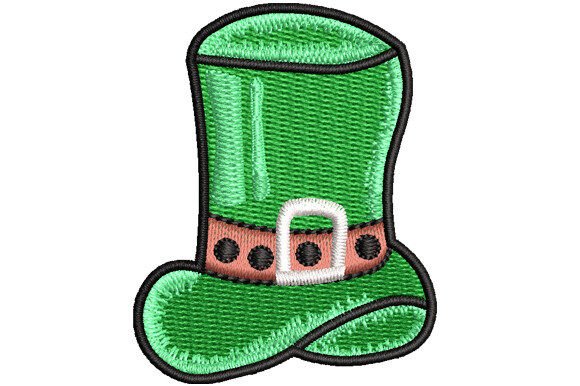
As an experienced embroidery designer preparing for a busy weekend craft fair, I spend a lot of time evaluating digital assets before they ever touch my machine. Today, I am looking at the St. Patrick s Day Hat, a design intended to bring festive cheer to handmade markets. My goal is to determine if this piece will stand out on a crowded booth table and translate well into high-quality finished products that customers actually want to buy.
First Impressions: Charm Meets Craft Fair Energy
The description promises a "vibrant and eye-catching embroidery pattern" that adds a "touch of charm." In the world of machine embroidery design, words like vibrant and charming are crucial. They suggest that the St. Patrick s Day Hat is not just a simple icon but a focal point designed to catch the eye from across the aisle. For a craft fair product, visual impact is everything. You have seconds to grab attention before a customer moves to the next table.
This design feels festive and modern rather than rustic or overly farmhouse. It suggests a playful energy perfect for St. Patrick's Day shoppers looking for something fun. The concept of a hat implies versatility; it could be a literal cap design or a graphic element applied to various textiles. If executed correctly with the right thread colors, this file has the potential to become a bestseller in any handmade product line dedicated to holiday celebrations.
Where Does This Design Shine? Product Applications
When planning my display for the upcoming market, I consider how the St. Patrick s Day Hat performs across different categories. A single design can transform multiple items, increasing the perceived value of your booth without requiring you to create entirely new patterns.
- Tote Bag Design: This is perhaps the strongest application. A tote bag acts as a walking billboard. Placing the St. Patrick s Day Hat on a sturdy canvas tote creates an immediate Etsy seller favorite item. The large surface area allows the "vibrant" nature of the design to breathe, making it look premium.
- Apron Embroidery: For the kitchen-focused crafter, this design works beautifully on a linen apron. It adds a seasonal touch to a functional item, making it an excellent gift option for home bakers or cooks celebrating the holiday.
- Tea Towel Embroidery: Lightweight cotton towels provide a soft background that enhances the texture of the stitches. The St. Patrick s Day Hat would serve as a delightful accent in a set of matching kitchen linens.
- Embroidered Patch: If the design is dense enough, trimming it out creates a durable patch. This is a fantastic way to sell lower-priced impulse buys at a small shop product counter, appealing to those who want to add character to jeans or backpacks.
- Fabric Pouches and Market Bags: Small zippered pouches featuring this hat design make great stocking stuffers or party favors. They are easy to produce in batches and appeal to buyers looking for unique handmade gifts.
- Pillow Covers: For a higher-ticket item, a decorative pillow cover transforms the design into home decor. This elevates the St. Patrick s Day Hat from a novelty item to a stylish seasonal accent.
Practical Selling and Production Realities
From a production standpoint, the success of the St. Patrick s Day Hat relies heavily on clarity. Is the design bold enough to be understood at a glance? In a busy market environment, details get lost in the crowd. If the hat features tiny brims or intricate shading, it might lose its charm when stitched small. However, if the lines are clean and the shapes are distinct, it photographs exceptionally well for online listings.
I also evaluate repeat-ability. Can I stitch this quickly enough to keep up with demand? A design that requires excessive hooping changes or complex color jumps will slow down production. For a commercial embroidery workflow, efficiency is key. If the St. Patrick s Day Hat offers a balance of detail and speed, it becomes a reliable staple for my inventory.
Photography plays a massive role in sales. A vibrant design pops in photos, creating an attractive printable mockup for social media or an Etsy listing. The contrast between the thread and the fabric must be strong to ensure the image translates well from the screen to the physical product.
Careful Use Notes: What to Watch Out For
Not every design works on every surface. Before running a full batch, I always scrutinize the technical aspects. Dense stitch areas can sometimes cause puckering, especially on lightweight fabrics like tea towels. If the St. Patrick s Day Hat has heavy fill stitches, I need to ensure I use the correct stabilizer to support the fabric during stitching.
Tiny details are another concern. If the hat includes small lettering or very fine lines, these may disappear when embroidered on curved surfaces like caps or on textured fabrics. Thick materials, such as denim or heavy canvas, can struggle to accommodate fine details, leading to a muddy appearance. Similarly, dark fabrics require careful thread selection; light threads might not show up clearly against a black background unless underlay stitches are sufficient.
If the design is intended for smaller sizes, I advise testing it first. Designs that look great on a large hoop often lose their definition when scaled down. Ensure that the St. Patrick s Day Hat retains its shape and character even when reduced to fit a small pouch or a child's garment.
Designer Notes for Success
To turn this digital asset into a profitable finished product, specific steps must be taken. First, test the design on scrap fabric using the same material you intend to sell. This reveals how the fabric texture interacts with the stitches. Check the thread contrast immediately; a design that looks good on a white background might fail on green or blue fabric.
Review spacing carefully. Ensure the design fits within the intended hoop size without cutting off essential elements. Inspect the stitch density to prevent the fabric from becoming too stiff or distorted. Using the right stabilizer is non-negotiable; it dictates the final look and durability of the piece.
Create at least one real mockup before mass-producing. This allows you to see the true quality of the St. Patrick s Day Hat and identify any issues with tension or registration. Compare different fabric colors to find the most appealing combination for your brand. Finally, confirm commercial licensing before selling any digital embroidery file derivatives or finished goods. Ensuring you have the rights protects your business and maintains professional integrity.
Ultimately, the St. Patrick s Day Hat has the potential to be a standout addition to any maker's collection. By focusing on quality execution and strategic product placement, this design can drive customer engagement and boost booth sales. Whether used on a tote bag, an apron, or a decorative pillow, the charm of this design can capture the spirit of the holiday while delivering the handmade quality that discerning buyers expect.