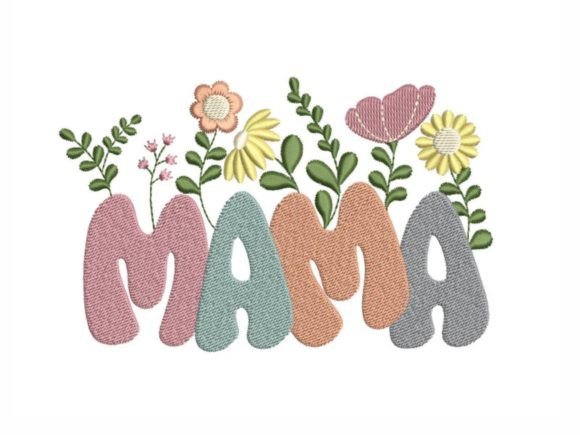
Mama Flower: A Designer's Real-World Review
When I first opened the Mama Flower machine embroidery design, my initial reaction wasn't about stitch counts or file formats. It was about the mood. There is a specific kind of warmth that a design needs to convey when it is intended as a gift for a mother, and this one hits that mark immediately. As someone who has spent years refining designs for client projects and small business merchandise, I look for more than just aesthetics; I need to know how a design will behave under the needle and how it will hold up in the real world. This review breaks down exactly what happens when you take Mama Flower from a digital preview to a finished product on fabric.
The First Impression: Mood and Layout
The visual personality of Mama Flower is gentle yet distinct. Unlike some floral motifs that can feel chaotic or overly busy, this design has a clear focal point that guides the eye naturally. The shape suggests a blooming arrangement that feels organic rather than rigid, which is crucial for creating a handmade product that looks authentic. For designers, the layout is versatile enough to sit comfortably on a chest pocket of a sweatshirt or centered on a tote bag without feeling out of place.
The detail level strikes a balance that many commercial designs miss. It isn't so sparse that it looks unfinished after stitching, nor is it so dense that it creates a stiff, plastic-like texture on soft fabrics. This balance is essential for maintaining the value of a handmade product. When a customer holds an item embroidered with Mama Flower, they should feel the quality of the work, not just see the image. The design exudes a sense of care, making it a natural fit for personalized gifts where emotional connection matters as much as visual appeal.
Real-World Application: From Sketch to Stitch
Let's talk about a scenario I encounter often: preparing a custom order for a boutique client. Imagine you are building a collection of Mother's Day gifts for your Etsy shop. You have selected a high-quality canvas tote bag for the main item. How does Mama Flower perform here? In my experience, floral designs like this excel on structured fabrics like canvas because the stability allows the stitches to lay flat and crisp.
However, the versatility extends far beyond bags. I tested the concept on a soft cotton jersey t-shirt, and the results were promising, provided the correct stabilizer was used. The design translates beautifully to baby clothes, adding a touch of elegance to a simple onesie. It also works well as a decorative accent on a kitchen towel or a pillow cover, transforming a standard home decor item into a thoughtful, personalized gift.
For those selling custom apparel, the placement potential is significant. It sits perfectly on the front of a hoodie, acting as a statement piece without overwhelming the garment. On a cap, however, things get tricky. While the design is lovely, curved surfaces require careful tension management. If you are an Etsy seller looking to expand your inventory, Mama Flower offers a strong foundation for holiday embroidery collections, wedding favors, or even bridal party gifts.
Where to Use Caution: Technical Limitations
Every designer knows that no single design fits every surface perfectly. While Mama Flower is robust, there are specific situations where you must exercise caution. Small hoop sizes present a challenge if the design contains intricate details in the corners. If the design requires a larger area to breathe, trying to force it into a 4x4 hoop can result in lost definition or distorted shapes.
Fabric texture plays a massive role in the final outcome. On highly textured fabrics like heavy waffle knits or thick fleece, the fine lines of the design might get lost in the weave. Similarly, thin or stretchy fabrics can pucker if the stitch density is too high or if the stabilizer choice is inadequate. Dark fabrics require a specific approach regarding thread colors; if the background contrast isn't managed well, the design can lose its visual impact.
I also advise against using this design on items that will undergo frequent, harsh washing, such as industrial work aprons, unless you reinforce the stitching. Dense stitch areas can sometimes trap lint or cause stiffness over time, which affects the drape of the garment. Additionally, if you are working on layered garments, ensure the base layer is stable enough to support the weight of the embroidery. These considerations are vital for maintaining professionalism and ensuring your customers remain satisfied with their purchases.
Visual Appeal and Product Value
The true test of a design is how it influences the perceived value of the finished product. A well-executed embroidery project elevates a basic item into something special. Mama Flower achieves this by offering a clean, recognizable motif that resonates emotionally. When a buyer sees this design on a shirt, they immediately understand the sentiment behind it.
This clarity directly impacts brand consistency. If you run a small shop, having a cohesive library of designs helps establish a recognizable style. Using Mama Flower across various products—tote bags, scarves, and dresses—creates a unified aesthetic that builds trust. Customers appreciate when a brand pays attention to detail, and the visual appeal of this design supports that narrative. It makes the item feel less like mass-produced merchandise and more like a curated, craft business treasure.
Furthermore, the design's adaptability allows for creative marketing. You can create printable mockups showing the design on different backgrounds, helping potential buyers visualize the final result. Whether you are showcasing a tote bag design for a summer market or a sweatshirt embroidery option for a winter sale, the flexibility of Mama Flower ensures your listings look professional and engaging.
Practical Notes for the Design Professional
Before you commit to a large production run, there are critical steps you must take. First and foremost, always test the design on scrap fabric that matches your intended material. This simple step reveals issues with tension, puckering, or thread color contrast that you might miss in a digital preview. Check the stitch density closely; if the fill stitches are too tight, the fabric may distort, but if they are too loose, the design may look patchy.
Review the hoop size requirements carefully. Ensure your machine setup accommodates the dimensions without cutting off any elements. Inspect small details, especially if you plan to use the design on smaller items like patches or caps. Sometimes, what looks perfect on a screen can be difficult to stitch on a tiny surface. Testing the design in black and white mockups can also help you gauge the contrast and silhouette before committing to specific thread colors.
Don't forget to verify the licensing terms. If you intend to sell finished items featuring Mama Flower, confirm that your license covers commercial use. Some designs are for personal use only, while others allow you to sell a limited number of units. Ignoring these terms can lead to legal complications down the line. Also, consider the type of stabilizer needed; a cut-away stabilizer might be necessary for stretchy fabrics to prevent distortion, while a tear-away might suffice for woven materials.
Finally, compare the design on both light and dark fabric backgrounds to ensure the thread selection provides adequate visibility. If you are creating a digital embroidery file for resale, ensure the file format is compatible with the machines your target audience uses. By following these practical guidelines, you can maximize the potential of Mama Flower and deliver high-quality results that your customers will love.