Hoza the Bear Christmas: A Designer's Honest Review
As a professional embroidery designer who spends countless hours testing digital assets before committing them to commercial products, I know how critical it is to choose designs that not only look good on screen but perform flawlessly in the hoop. Recently, I evaluated Hoza the Bear Christmas, a festive machine embroidery design available on Creative Fabrica, with the specific intention of using it for a holiday collection of handmade gifts and boutique merchandise. This review breaks down my experience with this embroidery file, focusing on its practical application for custom apparel, home decor, and small business inventory.
First Impressions and Visual Appeal
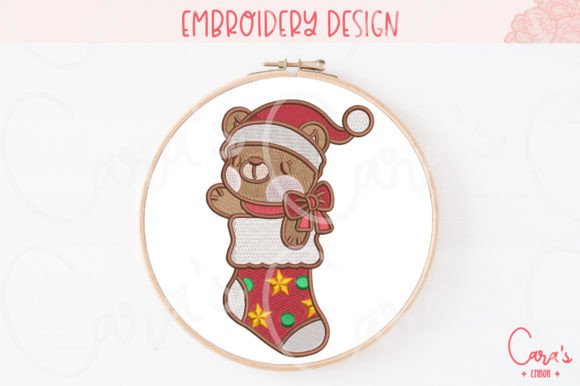
When you first download an embroidery file, the initial scan often reveals the intended mood. Hoza the Bear Christmas immediately conveys warmth and nostalgia. The visual layout suggests a charming character, likely suitable for Christmas stockings or nursery accents. For designers looking to add a touch of whimsy to their commercial embroidery projects, the design strikes a balance between cute and detailed without appearing cluttered.
The aesthetic works exceptionally well for seasonal themes. Whether you are creating a tote bag design for a local craft fair or personalizing a sweatshirt embroidery piece for a family gift, the bear motif offers a versatile anchor. It feels like a design asset that can elevate a simple item into a memorable personalized gift. The charm lies in its ability to fit seamlessly into various contexts, from a cozy kitchen towel to a high-end pillow cover.
Performance in Real-World Projects
Testing a design on scrap fabric is the most honest way to judge its potential. In my evaluation of Hoza the Bear Christmas, I focused on how the stitches translate onto different materials commonly used by creative entrepreneurs.
- Custom Apparel: When applied to cotton blends for custom apparel, the design held its shape well. However, on stretchy fabrics like jersey knits, proper stabilization was essential to prevent puckering.
- Home Decor: The density of the fill stitches made it ideal for sturdy items like kitchen towels and canvas tote bags. These items require a robust stitch density to withstand washing, and this design appears to have the necessary weight to hold up over time.
- Small Accessories: For smaller projects like caps or embroidered patches, the scale of the design needs careful consideration. If the design includes fine details, they may get lost on a curved cap surface unless digitized specifically for that curvature.
For those selling on platforms like Etsy, the quality of the finished product directly impacts buyer trust. A clean execution of Hoza the Bear Christmas ensures that your handmade product looks professional. The design's clarity allows for crisp edges, which is vital for maintaining brand consistency across your shop listings.
Practical Considerations for Embroidery Designers
While the visual appeal is strong, technical execution is where many projects succeed or fail. Here are some practical notes based on my review process.
Stabilizer and Hoop Size
Before running any job, always confirm the recommended hoop size. If the design is large, you may need a larger frame, which could limit placement options on certain garments. Always use a stabilizer appropriate for your fabric type. For stretchy fabric like t-shirts, a cut-away stabilizer provides the best support. For woven items like aprons, tear-away might suffice, but stability is key to preventing distortion.
Thread Colors and Contrast
The success of any machine embroidery design relies heavily on thread selection. I recommend reviewing the suggested thread colors against your fabric choice. On dark fabric, lighter threads may appear muted, requiring a higher stitch count or a backing layer to ensure visibility. Conversely, on light fabrics, dark threads pop beautifully. Always test color contrast on a scrap piece before starting your final production run.
Dense Stitch Areas
If the design features dense areas, such as a filled background or thick satin borders, be mindful of needle penetration. Excessive density can cause fabric bunching, especially on thinner materials. If you are creating an applique design style, ensure you have enough room for the fabric pieces to lay flat without excessive bulk.
Impact on Product Value and Presentation
In the world of digital product sellers and crafters, presentation is everything. A well-executed Hoza the Bear Christmas design can significantly boost the perceived value of your item. Imagine photographing a set of matching bedsheets or a coordinated set of holiday gifts featuring this charming bear. The cohesive look enhances product photography and attracts more engagement on social media.
For Etsy listings and printable mockups, having a high-quality reference image of the stitched result helps customers visualize the final outcome. Customers are more likely to purchase a finished product when they see that the details are sharp and the stitching is even. This design supports that goal by offering a clear, distinct pattern that translates well in photos.
Licensing and Commercial Use
One of the most critical steps before using any embroidery file for profit is verifying the license terms. While Hoza the Bear Christmas is listed under the Creative Fabrica platform, specific usage rights can vary. Always check the product page to confirm if you are allowed to sell finished items made with this design. Some licenses permit unlimited sales, while others may restrict the number of units or require attribution.
Ensure you understand the difference between a digital embroidery file license and a physical product license. You generally cannot resell the raw file itself, but you can typically sell the items you create using the file. Double-check these details to protect your business and maintain ethical standards within the crafting community.
Final Thoughts for Crafters and Sellers
Hoza the Bear Christmas stands out as a versatile option for anyone looking to expand their holiday inventory. Its friendly aesthetic makes it perfect for nursery decor, seasonal handmade gifts, and boutique merchandise. Whether you are an experienced embroiderer or just starting out, this design offers a solid foundation for creating unique items.
By taking the time to test the design, selecting the right stabilizer, and paying attention to stitch density, you can ensure a high-quality result every time. Remember to inspect small details after stitching and compare light and dark fabric mockups to find the perfect combination. With the right approach, this design can become a staple in your repertoire of design assets, helping you build a loyal customer base through consistent quality and creative expression.