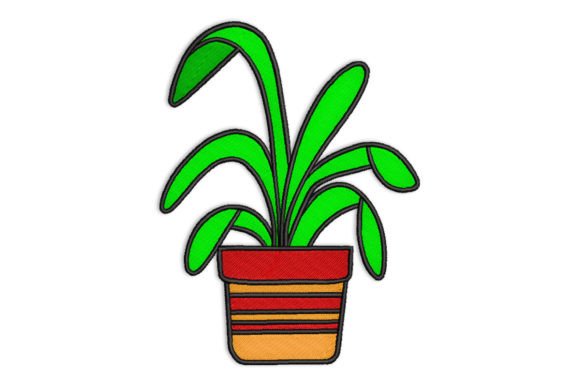
Houseplant: A Designer's Review for Craft Fair Success
As an experienced embroidery designer who has spent countless weekends setting up booths at local craft fairs, I know that the difference between a design that sits on a shelf and one that flies off the table often comes down to one thing: immediate visual appeal. When I first laid eyes on the Houseplant machine embroidery design, my mind immediately went to the practicalities of production and the psychology of the buyer. This isn't just a digital file; it is a potential bestseller for your handmade shop if executed correctly.
The product description promises a touch of whimsy and charm, and upon reviewing the concept of Single Flowers in this category, I believe it hits the mark perfectly. In the world of embroidery, few themes resonate as strongly with modern buyers as botanical motifs. They bridge the gap between rustic farmhouse aesthetics and clean, modern minimalism. For an Etsy seller or a boutique maker looking to expand their inventory, Houseplant offers a versatile asset that can elevate simple goods into premium gifts.
First Impressions and Visual Impact
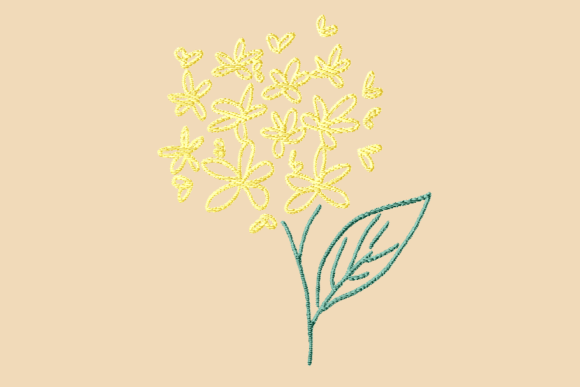
When you are scanning a booth display from ten feet away, details matter less than the overall silhouette and color contrast. The Houseplant design feels soft yet distinct. It does not scream for attention with neon threads but rather invites the customer closer with its organic shape. This makes it ideal for customers who appreciate a "quiet luxury" vibe or those who want to add a subtle pop of green to their home decor without overwhelming the space.
For a weekend market, this design strikes a balance between cute and sophisticated. It avoids being too childish, which allows it to appeal to a broader demographic, including adults who might buy a gift for a housewarming or a new parent. The whimsical nature suggested by the title implies a playful character, making it perfect for creating a cohesive brand identity across different craft fair products.
Product Versatility: Where Houseplant Shines
One of the most critical factors for a successful small shop product is versatility. Can this design be used on multiple items to maximize your return on investment? My assessment of Houseplant suggests it is highly adaptable.
- Tote Bag Design: A tote bag is a staple at any craft fair. Placing Houseplant on a canvas bag creates an instant statement piece. It works well as a centered focal point or repeated in a pattern along the bottom hem. The natural theme pairs beautifully with earth tones like olive, cream, and denim blue.
- Apron Embroidery: For the home cook or gardener, an apron featuring this design is a top-tier gift item. The whimsical charm adds personality to a utilitarian garment, making it feel like a bespoke handmade product rather than mass-produced merchandise.
- Tea Towel Embroidery: Kitchen linens are high-volume sellers. Houseplant fits the aesthetic of modern kitchens perfectly. Whether stitched on a flour sack towel or a linen napkin, it adds a layer of warmth and life to the space.
- Embroidered Patch: If you sell iron-on patches, this design is excellent. The single flower motif is compact enough to work on jackets, beanies, or backpacks, offering a trendy way for customers to customize their own gear.
- Pillow Covers and Home Decor: As mentioned in the product description, pillows are a natural home for this design. It transforms a plain throw pillow into a conversation starter, adding that necessary touch of whimsy to a living room setup.
- Small Pouches and Market Bags: These smaller items are great for impulse buys. A small zippered pouch with Houseplant embroidered on it is affordable, functional, and visually appealing.
Production Practicality and Selling Strategy
From a production standpoint, understanding the stitch density and layout is crucial. While specific stitch counts should be verified in your software, designs labeled as whimsical and charming typically rely on smooth satin stitches or delicate fill patterns. This usually translates to a design that photographs exceptionally well for online listings. High-quality images are the backbone of any digital embroidery file marketing strategy, and a clear, well-defined flower will look crisp in a printable mockup.
For batch production, consistency is key. Houseplant appears to be a standalone motif, meaning it can be easily spaced out for repeating patterns on larger items like aprons or curtains. This repeatability is essential for maintaining efficiency when fulfilling orders for wholesale clients or large craft fair runs.
However, there are nuances to consider before you start stitching. The design's success relies heavily on the choice of thread colors. To ensure the design stands out, you must select thread that contrasts appropriately with your base fabric. On light fabrics, darker greens or vibrant accents will pop, while on dark fabrics, lighter or metallic threads may be required to capture the whimsy without losing definition.
Careful Use Notes and Potential Pitfalls
No design is without its challenges. When working with single flowers, tiny details can sometimes get lost if the hoop size is too small or the fabric texture is too rough. If the design includes fine lines or tiny petals, test it on scrap fabric first. Thick, textured towels or heavy canvas can obscure intricate details, so you may need to adjust the stabilizer or choose a smoother backing fabric for the best results.
Additionally, curved surfaces like caps present a unique challenge. While Houseplant is likely suitable for cap embroidery, the curvature can distort the perspective of the flower. You must ensure the design is digitized with proper compensation for the curve, or it may appear stretched or squashed. Similarly, very small lettering (if included) should be avoided unless the design is intended for a larger format, as tiny text rarely reads well on small items like patches or pouches.
Designer's Checklist for Success
Before turning this into a commercial finished product, follow these professional steps to ensure quality and profitability:
- Test on Scrap Fabric: Always run a test stitch-out on the actual fabric you intend to use. This reveals how the stabilizer interacts with the material and if any puckering occurs.
- Check Thread Contrast: Ensure the thread colors selected make the design legible and attractive against the final product color.
- Review Spacing and Hoop Size: Confirm that the hoop size accommodates the design without cutting off edges, especially if you plan to repeat the motif.
- Inspect Stitch Density: Look for areas where stitches might be too dense, causing the fabric to pucker, or too sparse, leaving gaps. Adjust if necessary.
- Create Real Mockups: Don't rely solely on digital renderings. Create at least one physical sample to photograph for your Etsy listing or social media. Real photos build trust with buyers.
- Compare Fabric Colors: Test the design on various fabric shades to see which ones enhance the "whimsy and charm" factor the most.
- Confirm Commercial Licensing: Before selling any commercial embroidery products made with this embroidery file, verify that your license agreement permits commercial use. This protects your business from legal issues.
In conclusion, Houseplant is more than just a pretty picture; it is a strategic asset for your creative business. Its ability to blend seamlessly into various categories—from kitchen linens to fashion accessories—makes it a smart addition to your design assets. By paying attention to the technical details and focusing on high-quality execution, you can turn this simple floral motif into a standout feature of your booth display. Whether you are a seasoned veteran or a new creative entrepreneur, Houseplant has the potential to bring a fresh, lively energy to your collection of handmade goods.