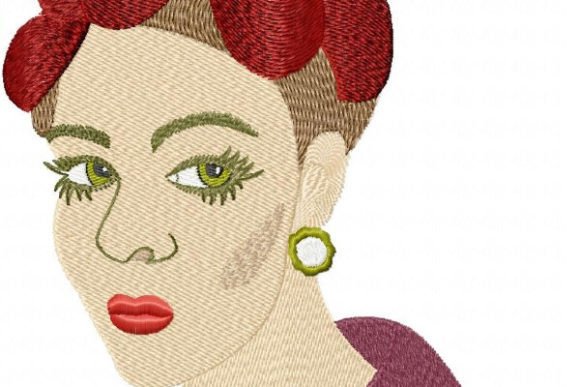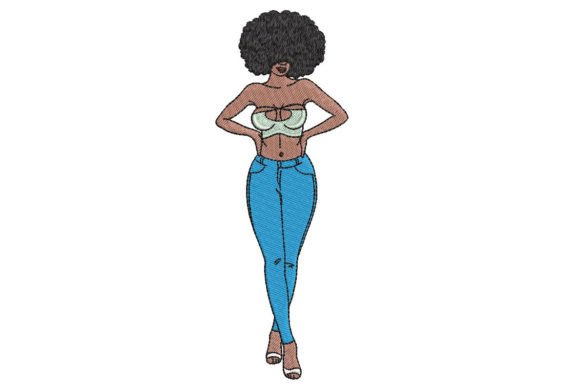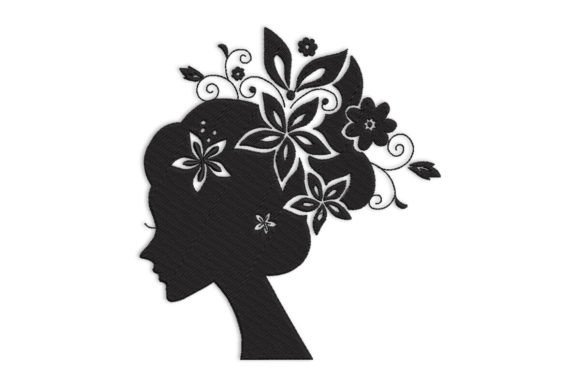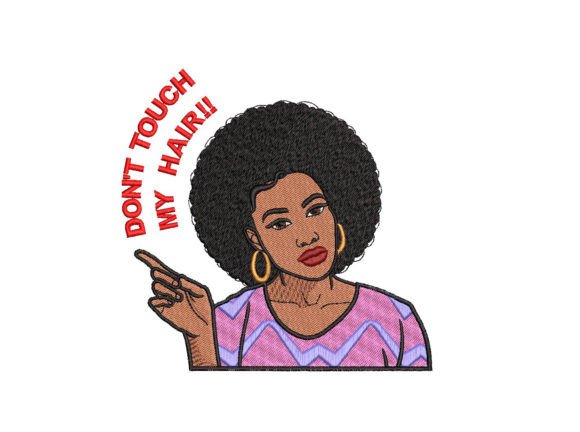
Brenda Character Design Review
As an experienced embroidery designer who has spent years refining digital files for commercial use, I approach every new asset with a critical eye. When evaluating the Brenda Character design for small business merchandise and branded patch applications, the first impression is vital. The description paints a picture of exclusivity and passion, noting it as a masterpiece created by a family of craft enthusiasts with love poured into every stitch. This narrative suggests a design that feels handmade, warm, and authentic rather than sterile or mass-produced.
For owners of boutiques, bakeries, florists, or creative studios, this "Beauty" category classification hints at a design that leans towards elegance or aesthetic appeal. However, before we can apply Brenda Character to aprons, caps, or tote bags, we must determine if this visual personality translates into a functional brand asset. In this review, I will dissect how this design performs in real-world business scenarios, from staff uniforms to customer gifts, ensuring your investment yields professional results.
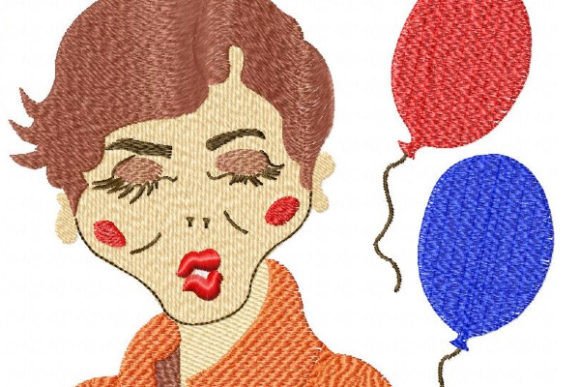
The Visual Personality of Brenda Character
When I first visualize Brenda Character, the language used in its creation points toward a friendly yet premium aesthetic. The phrase "abundance of love" often correlates with designs that have softer edges, perhaps a rustic or playful charm, rather than rigid corporate geometry. For a small business looking to build trust, this approach is powerful. Customers today crave authenticity; they want to feel connected to the people behind the brand.
If you are an Etsy seller or a merch creator, Brenda Character could serve as a perfect signature element. It suggests a handmade product origin story without needing a written explanation. Whether applied as a chest logo accent on a work shirt or a subtle mark on a tote bag, the design promises a personal touch that large corporations cannot replicate. However, the "exquisite" nature mentioned in the description requires careful handling. A design that looks exquisite in a digital mockup might lose its detail if not executed correctly on textured fabric.
Real-World Application: From Patches to Packaging
The versatility of a machine embroidery design determines its value in a commercial setting. Let us imagine a scenario where a local café wants to launch branded merchandise. They need staff uniforms, apron embroidery, and cap embroidery that withstands daily wear. Brenda Character fits well here, provided the scale is appropriate. As a patch, it can act as a badge of honor for long-term employees, reinforcing team identity and professionalism.
Consider a boutique selling handmade soaps or candles. Adding Brenda Character to their product packaging accents creates a cohesive unboxing experience. Instead of a generic sticker, a sewn-in label featuring this design elevates the perceived value of the item. Similarly, for a pet brand or a craft business, this design can be used on event merch, turning casual attendees into brand ambassadors. The key is consistency; using Brenda Character across all design assets ensures that the brand identity remains strong and recognizable.
In the realm of digital commerce, having a high-quality version of this file allows you to create a printable mockup for client approval before production begins. This step is crucial for avoiding costly errors. If you are selling digital embroidery files, showcasing how Brenda Character looks on various textures—like denim, canvas, or soft cotton—will significantly boost sales. It transforms a simple image into a tangible solution for custom apparel needs.
Where to Exercise Caution
While the potential is high, there are specific areas where Brenda Character requires scrutiny. Not every design works everywhere. If the design features tiny lettering or intricate outlines, it may struggle on small patch sizes or the curved front of a cap. Embroidery relies on thread thickness; fine details can disappear when stitched down, especially on dark uniforms where contrast is low.
High stitch density is another factor to monitor. While a dense fill can look luxurious, it can also make the fabric stiff, which is undesirable for items like aprons or work shirts that require flexibility. Furthermore, items that undergo frequent washing, such as staff uniforms, need robust stitching. If Brenda Character has loose threads or complex satin stitches that catch easily, it may fray over time. Always inspect the spacing and confirm the hoop size limits to ensure the design does not get cut off during production.
Textured fabrics present another challenge. On a rough burlap or a thick fleece, the definition of Brenda Character might soften. In these cases, testing on the actual material is non-negotiable. You do not want to surprise a client with a finished product that looks different than the digital preview.
Impact on Brand Identity and Customer Trust
Quality embroidery is a silent salesman. When a customer sees a crisp, well-executed Brenda Character on a tote bag or a uniform, it signals attention to detail. This visual consistency builds customer trust. It tells them that the business cares about quality, even in the smallest details. Conversely, a sloppy application can damage reputation instantly.
By integrating Brenda Character strategically, you enhance the finished product value. A simple t-shirt becomes a premium piece of small business merch simply because of the unique branding. This engagement encourages repeat purchases and word-of-mouth referrals. The design acts as a bridge between the maker and the buyer, reinforcing the narrative of a "family of craft enthusiasts" mentioned in the product description.
Practical Designer Notes for Production
To ensure success with Brenda Character, follow these essential steps before launching into full-scale production:
- Test in Black and White: First, digitize or test the design in monochrome. This helps you see if the shape holds up without relying on color contrast to hide imperfections.
- Check Small Patch Sizes: Ensure the design retains legibility when scaled down. If the details are too fine, consider simplifying the file for smaller applications.
- Review Thread Colors: Select thread colors that pop against your target fabric. Dark backgrounds may require underlay techniques to prevent show-through.
- Inspect Spacing and Hoop Size: Confirm that the design fits within your standard hoop size without requiring awkward re-hooping, which can ruin alignment.
- Test on Real Fabric: Never assume a design works just because it looks good on screen. Stitch it out on the actual material you plan to use.
- Use Proper Stabilizer: The right stabilizer is the backbone of any commercial embroidery project. Choose one that matches the weight and stretch of your fabric to prevent puckering.
- Create a Mockup: Use a printable mockup to visualize the final result for clients. This sets clear expectations and reduces revision requests.
- Compare with Other Assets: Place Brenda Character beside your other logos or text to ensure visual harmony and balance.
- Confirm Commercial Licensing: Before using this in any revenue-generating project, verify the licensing terms. Ensure you have the rights to sell products featuring this design.
Finally, always check the specific technical details of the file, such as exact stitch counts and formats, directly from the source. If these details are not provided in the initial description, contact the creator to avoid compatibility issues with your embroidery machine.
In conclusion, Brenda Character offers a compelling opportunity for small businesses to elevate their brand presence through high-quality embroidery. Its potential to convey warmth, professionalism, and artisanal value makes it a strong candidate for embroidered patches, tote bag designs, and custom apparel. By following rigorous testing protocols and understanding the nuances of stitch density and fabric texture, you can transform this digital asset into a lasting physical symbol of your brand's commitment to excellence.